
Table of Contents
- Why Look Beyond Wildthread for Botanical Apparel?
- What to Look For in Sustainable Botanical Clothing UK
- Top Wildthread Alternatives for Botanical Apparel
- Botanical vs. Synthetic Dyes: A Direct Comparison
- How to Style Floral Graphic Tees for Everyday Wear
- The Case for Best Sustainable Blank Apparel as a Base
- Final Thoughts on Choosing Ethical Botanical Brands
- Frequently Asked Questions
Last Updated: September 7, 2026
Why Look Beyond Wildthread for Botanical Apparel?
The market for botanical apparel has grown crowded, and not every brand claiming eco-credentials delivers on them. Shoppers now face a choice between generic nature-print tees and garments made with genuine consideration for materials, ethics, and longevity. The search for the best wildthread alternatives for botanical apparel usually begins with a simple frustration: designs that look beautiful online but fade after a few washes, or fabrics that claim sustainability without any certification to back it up.
At WyldeHaven Apparel, we have spent years analysing what separates thoughtful botanical clothing from fast-fashion imitations. The difference comes down to three factors: fibre quality, dye integrity, and supply chain honesty. Annual research from The Good Trade's 2026 sustainable fashion report identified 99 brands meeting strict ethical and eco-friendly criteria, yet very few of those focus specifically on botanical aesthetics with durable construction.
Most guides miss a crucial point: botanical apparel is not just about the print. The fabric must withstand repeated washing without losing the subtle line art that makes these pieces special, and the dyes must hold their colour through years of wear. Below, we will show you exactly how to evaluate alternatives across these criteria, with specific recommendations you can trust.
What to Look For in Sustainable Botanical Clothing UK
Sustainable botanical clothing in the UK market should be judged on four pillars: fabric composition, dye process, ethical manufacturing, and design longevity. A garment that excels in all four areas will serve you for years, making it genuinely sustainable through reduced consumption.
Fabric composition matters most. Look for 100% combed and ring-spun cotton, which offers breathability and softness while holding prints crisply. Blends of 50/50 cotton-polyester provide durability for sweatshirts without sacrificing comfort. Certifications like OEKO-TEX and REACH assure that dyes and materials meet safety standards.
Dye integrity separates premium botanical apparel from fast fashion. Direct-to-garment printing and detailed embroidery hold up better than cheap heat transfers. The National Institutes of Health research on textile biomimicry highlights how fabrics inspired by natural structures can break down more cleanly, moving beyond traditional recycling technologies.
Ethical manufacturing requires transparency about where and how garments are produced. Fair labour practices and responsible sourcing should be documented, not assumed. Design longevity means choosing minimalist, timeless graphics over trend-driven prints that will feel dated next season.
Top Wildthread Alternatives for Botanical Apparel
After evaluating dozens of options against those four pillars, three brands consistently rise above the rest for botanical apparel. Each takes a different approach, so your choice depends on your priorities.
| Brand | Focus | Price Range | Best For |
|---|---|---|---|
| WyldeHaven Apparel | Minimalist botanical graphics | £24.99-£36.99 | Everyday mindful wear |
| Patagonia | Durable outdoor apparel | Premium | Outdoor enthusiasts |
| Sustain | Organic fabrics and natural dyes | Mid-range | Slow fashion purists |
WyldeHaven Apparel: Minimalist Botanical Designs
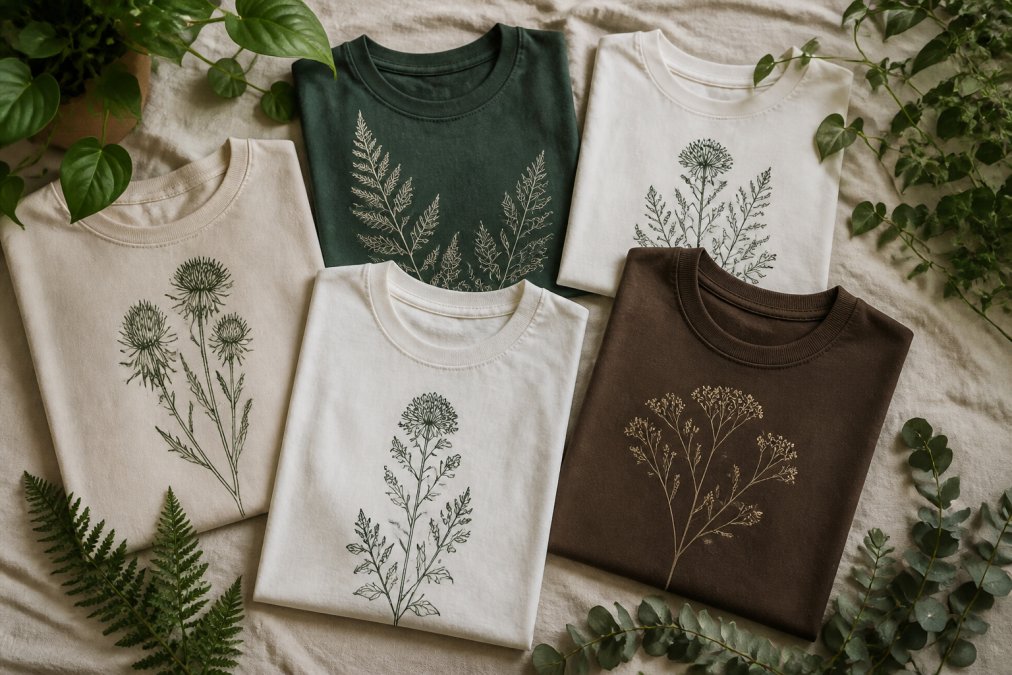
WyldeHaven Apparel focuses on quiet, hopeful messaging paired with single-line botanical illustrations that read as understated rather than loud. The collection focuses on quiet, hopeful messaging paired with single-line botanical illustrations that read as understated rather than loud. The T-Shirt "Grow At Your Own Pace" Minimal Botanical Tee at £24.99 uses 100% Airlume combed and ring-spun cotton with a ribbed knit collar and side seams that preserve shape through repeated washing.

The construction details matter. Shoulder tape prevents stretching, tear-away labels eliminate itch, and REACH certification confirms the dyes meet European safety standards. For cooler months, the Crewneck Sweatshirt "There Is Beauty in Growth" at £34.99 pairs a 50/50 cotton-poly blend with double-needle stitching for durability that justifies the price.

Patagonia: Durable Outdoor Wear with a Conscience
Patagonia's Worn Wear programme has established the brand as a benchmark for circular fashion, as documented by Moss Apparel's analysis of Patagonia's circular economy model. Their garments are built for years of hard use, with repair services that extend product life significantly. The trade-off is a more utilitarian aesthetic that lacks the delicate botanical artistry some shoppers want.
Sustain: Organic Fabrics and Slow Fashion
Sustain operates on slow fashion principles, using organic fabrics and natural dyes to create clean, fair garments. Their approach, profiled by Green Dreamer's interview with Sustain, prioritises production ethics over trend cycles. The result is timeless clothing, though their botanical range is smaller and less varied than dedicated botanical brands.
Botanical vs. Synthetic Dyes: A Direct Comparison
The choice between botanical and synthetic dyes affects both colour longevity and environmental impact. Natural dyes derived from plants create beautiful, subtle tones that age gracefully, but they require careful handling. Research from the University of Glasgow study on natural and synthetic fibre stitching threads notes that natural materials may lack the long-term tensile strength of synthetic alternatives in high-stress applications.
Synthetic dyes, particularly those certified by OEKO-TEX, offer superior colour fastness and consistency. The best approach combines both: natural-fibre fabrics with certified low-impact dyes that resist fading while meeting environmental standards. This hybrid strategy gives you the sustainability of natural materials with the durability of modern chemistry.
How to Style Floral Graphic Tees for Everyday Wear
Styling floral graphic tees well comes down to balance. The key is letting the botanical print be the focal point while keeping the rest of your outfit simple and textural.
For a casual daytime look, pair a floral tee with straight-leg jeans and a linen overshirt. The linen adds natural texture that complements the botanical theme without competing with it. Layer a minimalist crewneck sweatshirt over the tee for transitional weather, letting the print peek out at the collar. For a more polished outfit, tuck the tee into high-waisted trousers and add a structured blazer in a neutral tone. The contrast between the relaxed graphic and the tailored layer reads as intentional rather than sloppy.
The Case for Best Sustainable Blank Apparel as a Base
A capsule wardrobe built around the best sustainable blank apparel creates endless styling options. Plain, high-quality basics in natural fibres serve as the foundation, with botanical pieces added as statement layers. This approach reduces textile waste by maximising the use of each garment, a core principle of the circular economy.
Blank crewneck sweatshirts in neutral tones work particularly well as a base. They layer under jackets, pair with everything from jeans to skirts, and provide a canvas for seasonal botanical accessories. The Embroidered Poppy Sweatshirt at £36.99 demonstrates how a single embroidered detail transforms a basic garment into something distinctive without overwhelming the silhouette.

Final Thoughts on Choosing Ethical Botanical Brands
Choosing ethical botanical brands ultimately comes down to asking the right questions about materials, dyes, and labour practices. The research landscape shows growing momentum toward lower-impact textiles, with FashNerd's coverage of alternative natural fibres reporting increased industry focus on hemp, stinging nettle, and aquatic plant fibres as alternatives to conventional cotton. These innovations will expand your options in coming years.
For now, focus on brands that offer transparent supply chains, certified materials, and construction built to last. The cost-per-wear of a £25 tee that survives three years of weekly washing beats a £10 fast-fashion version that pills and fades within months. That calculation, more than any single purchase, defines true sustainability.
Frequently Asked Questions
What are the best natural fiber clothing brands in the UK?
Several UK-based and internationally available brands focus on natural fibres. WyldeHaven Apparel uses 100% Airlume combed and ring-spun cotton for its tees, and a 50/50 cotton-poly blend for sweatshirts. Patagonia is a leader in sustainable outdoor apparel, and brands like Sustain focus on organic fabrics. Look for certifications like OEKO-TEX or REACH to verify fibre quality and ethical manufacturing.
How do I identify truly sustainable botanical fashion brands?
Look beyond marketing claims. Check for specific certifications like OEKO-TEX, Fair Trade, or GOTS, and review their supply chain transparency. A genuine brand will discuss its manufacturing partners and fabric sources. Consider their commitment to the circular economy, such as repair programmes or use of biodegradable materials. Be wary of greenwashing; a single 'eco' collection does not make a brand sustainable.
What is the difference between organic cotton and conventional cotton in apparel?
Organic cotton is grown without synthetic pesticides and fertilisers, using methods that support biodiversity and healthier soil, often requiring less water. Conventional cotton farming is chemical-intensive and can harm local ecosystems. For apparel, organic cotton feels similar but carries a higher price due to more sustainable farming costs. Choosing organic supports a lower environmental impact from the field to your wardrobe.
Are botanical dyes as durable as synthetic ones?
Plant-based dyes can be beautiful and unique, but they often require different care than synthetic dyes to maintain their vibrancy. They may fade faster with repeated washing and sun exposure. However, many brands use low-impact or fibre-reactive dyes that bond well with natural fibres. For longevity, follow care labels strictly, such as washing in cold water and avoiding prolonged direct sunlight when drying.
The challenge with botanical apparel is separating genuine quality from greenwashed marketing. WyldeHaven Apparel addresses this with minimalist, wildlife-inspired designs printed on certified cotton with construction details that survive repeated washing. Every piece carries quiet, hopeful messaging designed for daily wear, and free UK shipping removes the friction from trying something new. Explore the collection and find botanical clothing that matches your values and your wardrobe.